
Independent investigation of structural movement, damp and timber decay across the North East
A crack, a damp patch or a soft floorboard can mean nothing at all — or the start of an expensive problem. Getting the cause right is what decides whether the repair costs a few hundred pounds or many thousands. We find the cause, explain it in plain English and tell you what the proper fix is. We don’t sell treatments, so our only interest is getting the diagnosis right.



RICS-Regulated Firm • MRICS Chartered Surveyor • MCABE Chartered Building Engineer • MRPSA • Professional Indemnity Insured
Three families of defect cause most of the worry, and most of the wasted money, in North East homes. Each one is regularly misdiagnosed — usually by someone selling the cure.
Subsidence, heave, settlement, failed lintels, corroded wall ties, roof spread, bulging or leaning walls and cracks around extensions and bays. Is it moving now, why, and does it matter?
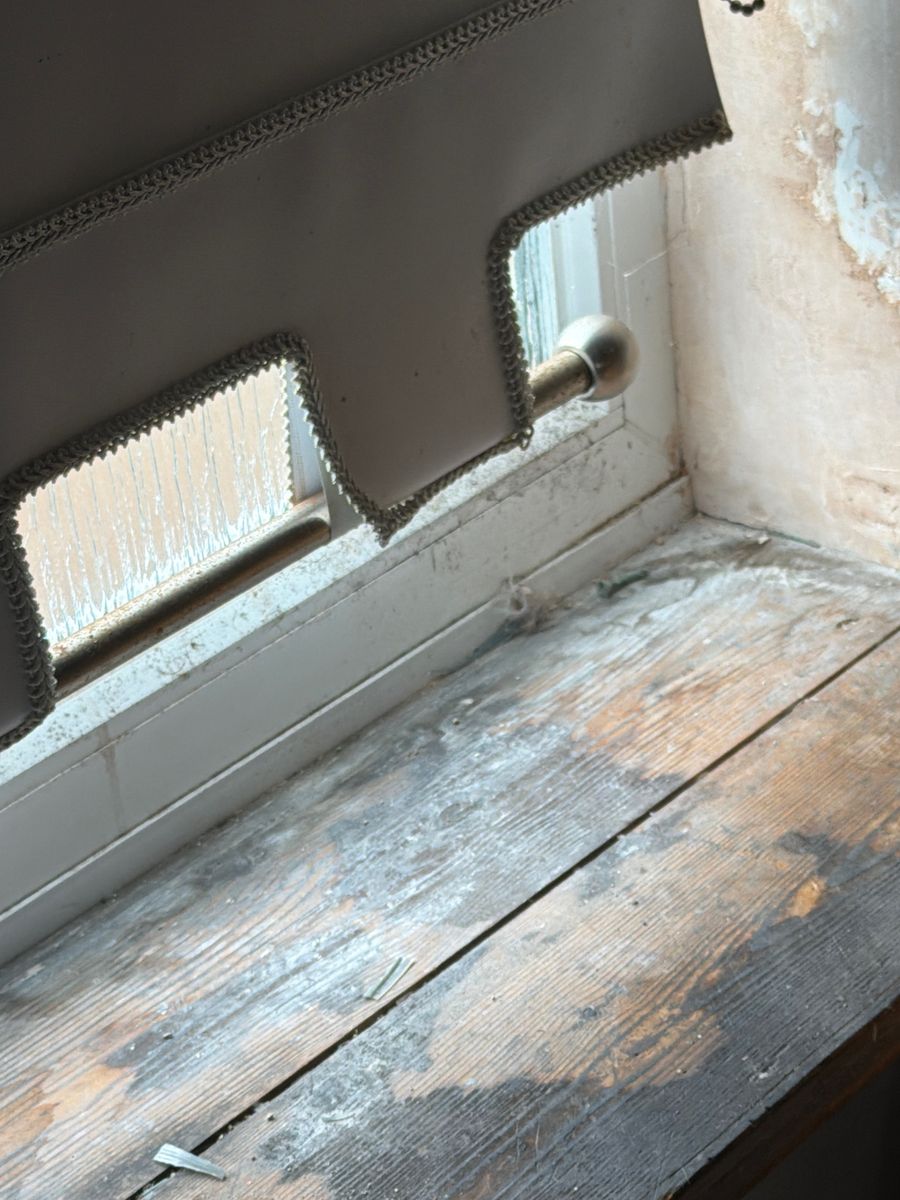
Rising damp, penetrating damp, bridged or breached damp-proof courses, leaks, condensation and mould. Four very different problems that can look the same on a wall — and need four very different fixes.
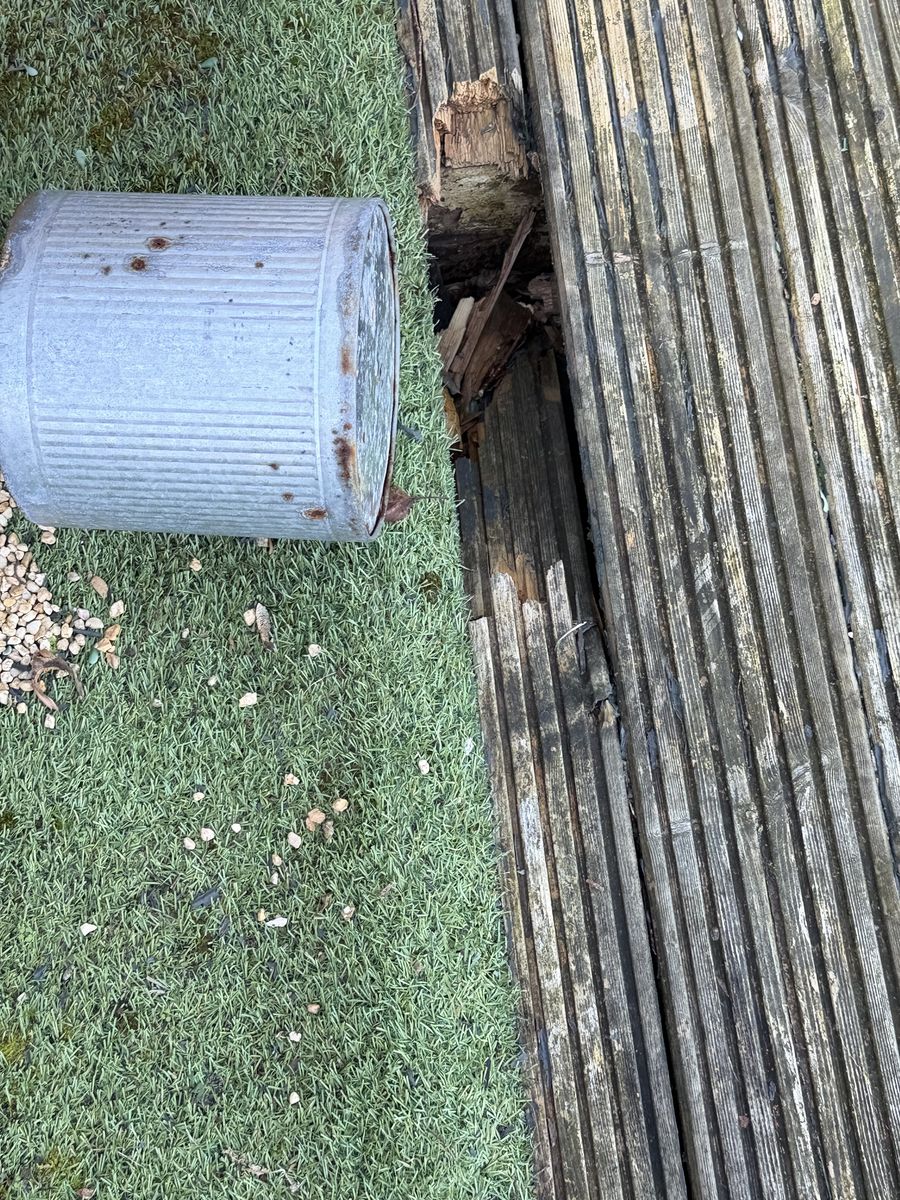
Wet rot, dry rot and wood-boring insects in floors, roofs, joinery and joist ends — whether it’s active, how far it goes, and what is feeding it moisture in the first place.
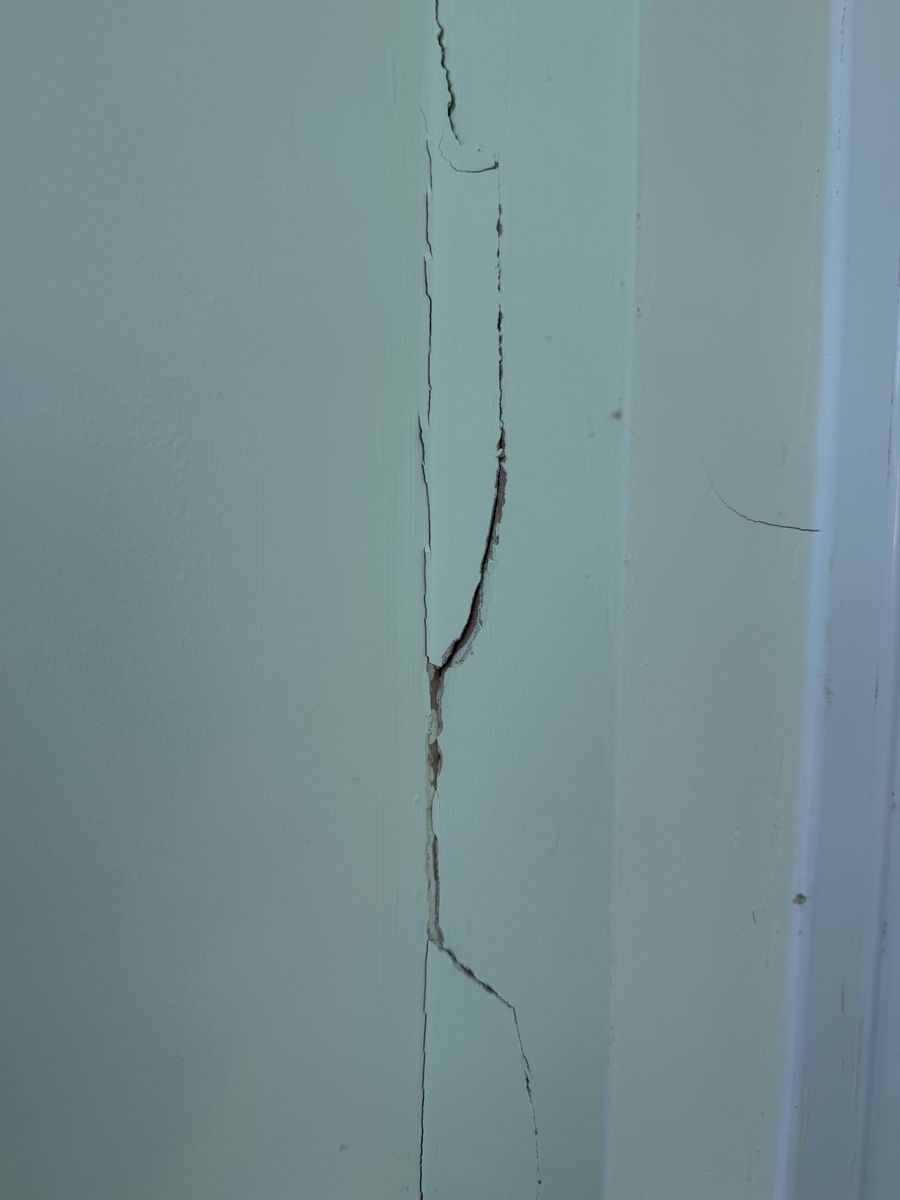
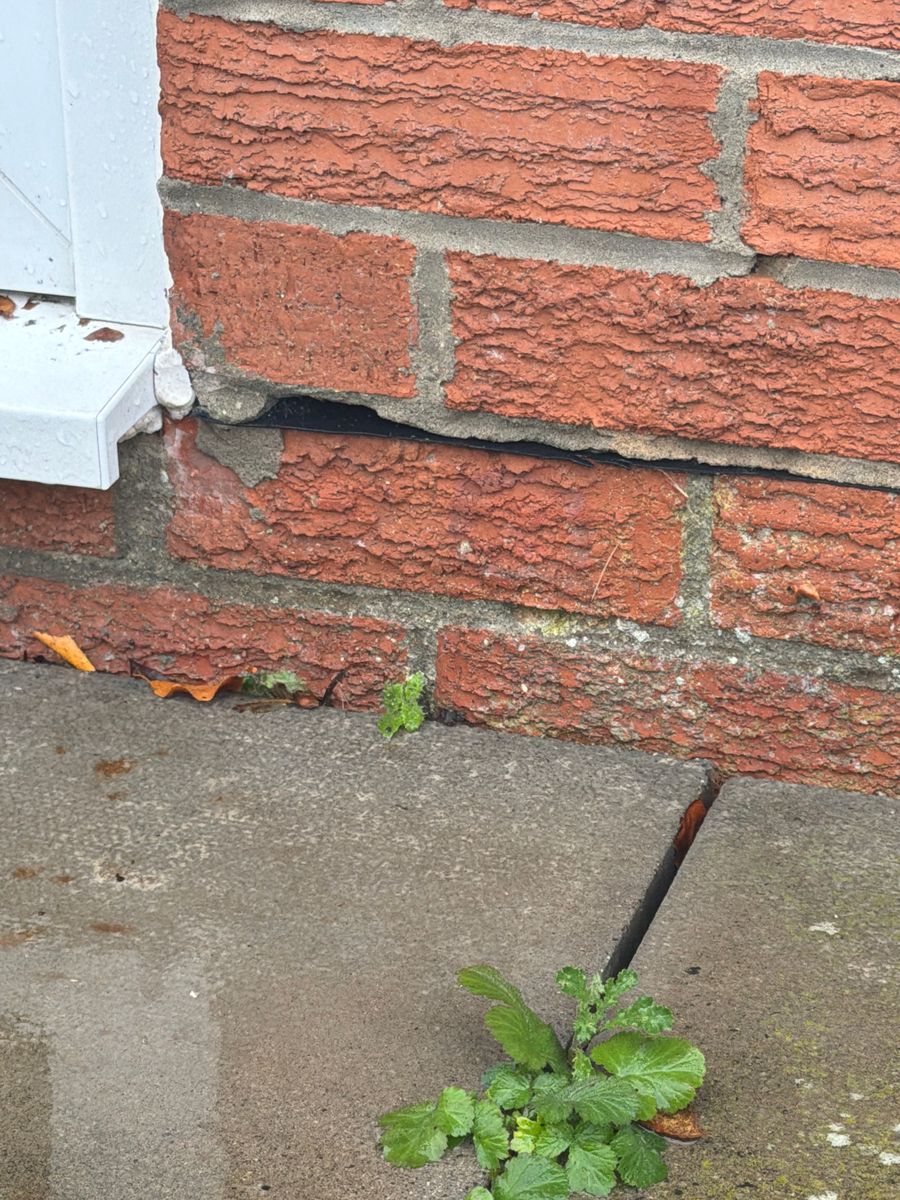
Most cracks are not structural. The ones that are follow patterns. We assess every crack against BRE Digest 251, the industry’s standard scale for damage to low-rise buildings, and then work out what is causing it.
| BRE category | Typical crack width | What it usually means |
|---|---|---|
| 0 – Negligible | Hairline, under 0.1 mm | Normal shrinkage and thermal movement. Redecoration only. |
| 1 – Very slight | Up to 1 mm | Fine cracks that are filled when you redecorate. |
| 2 – Slight | Up to 5 mm | Easily filled; doors and windows may stick slightly. Some repointing outside. |
| 3 – Moderate | 5 to 15 mm (or several over 3 mm) | Opening up and patching of brickwork; doors and windows sticking; services may fracture. |
| 4 – Severe | 15 to 25 mm (depends on number of cracks) | Extensive repair, often removing and rebuilding sections of wall. Noticeable distortion. |
| 5 – Very severe | Usually over 25 mm | Major repair, possibly partial or complete rebuilding; risk of instability. |
Crack width is only one factor. BRE Digest 251 grades damage on how easy it is to repair; categories 0–2 are generally aesthetic, 3–4 affect serviceability and 5 affects stability.
Some answers need more than a visual inspection. If the evidence points to active subsidence or heave, we will tell you to contact your buildings insurer before any repairs are started. If calculations or a structural design are needed — for a new beam, underpinning or a rebuild — the report says exactly that, so you know what to ask for and why.
What we won’t do is guess. Where a single visit can’t show whether a crack is still moving, we recommend monitoring rather than an expensive repair that may not be needed.
“Rising damp” is the most over-diagnosed defect in British housing. Damp on a wall has a cause, and the cause decides the cure. We work through it in the order set out in BRE Digest 245 and BS 6576 — ruling out the common causes before the rare one.
| Type | Typical signs | The real fix |
|---|---|---|
| Condensation | Black mould on cold outside walls, corners, behind furniture and around windows; worse in winter; streaming glass | Ventilation, steady heating and insulation — not a damp-proof course |
| Penetrating damp | Patches that grow after rain, often at high level or around chimneys, windows and gutters | Repair the gutter, downpipe, pointing, render, flashing, sill or roof that is letting water in |
| Bridged or breached DPC | Damp in a band at the base of the wall where outside ground, paths, render or a cavity full of debris sits above the damp-proof course | Lower the ground, cut back render, clear the cavity — give the existing DPC a chance to work |
| Leaks | Localised damp near pipes, showers, baths, radiators, or under the floor | Find and repair the leak, then let the structure dry |
| Rising damp | A tide-mark up to around a metre high, salts, decayed skirtings — on a wall with no DPC or a genuinely failed one | Only once the other causes have been ruled out; the remedy then depends on the wall, its age and its construction |
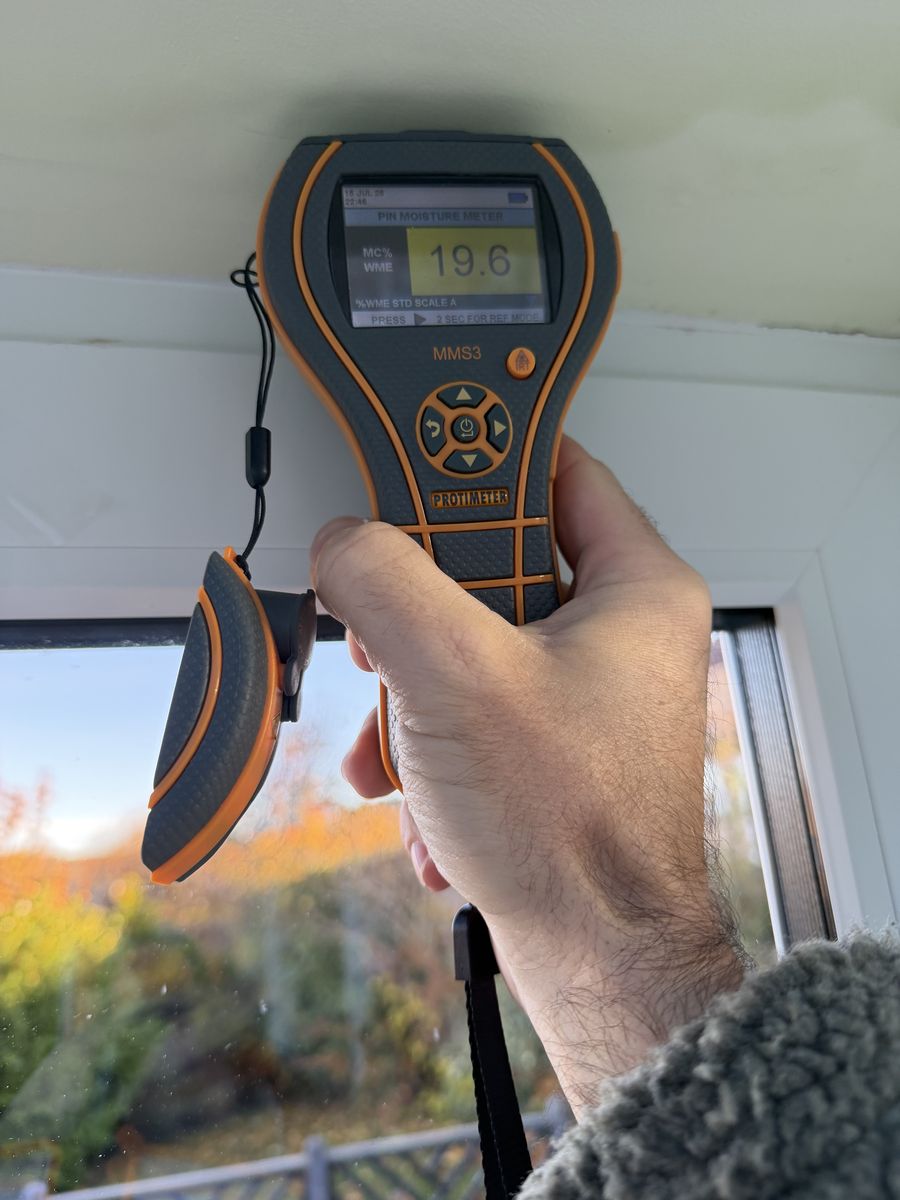
Electrical moisture meters are calibrated for timber. On plaster and brick they react to salts, foil-backed wallpaper and surface condensation, so a “red” reading is a reason to investigate, not proof of rising damp. Where it matters, we use deeper readings, surface temperature and humidity checks, thermal imaging and, if needed, drilled samples tested for actual moisture content.
Victorian terraces, stone cottages and colliery houses were built to breathe. Cement renders, gypsum plasters, plastic paints and sealed floors often cause the damp they were meant to cure. We assess older buildings on their own terms, in line with BS 5250:2021 on managing moisture, rather than reaching for a membrane or an injection.
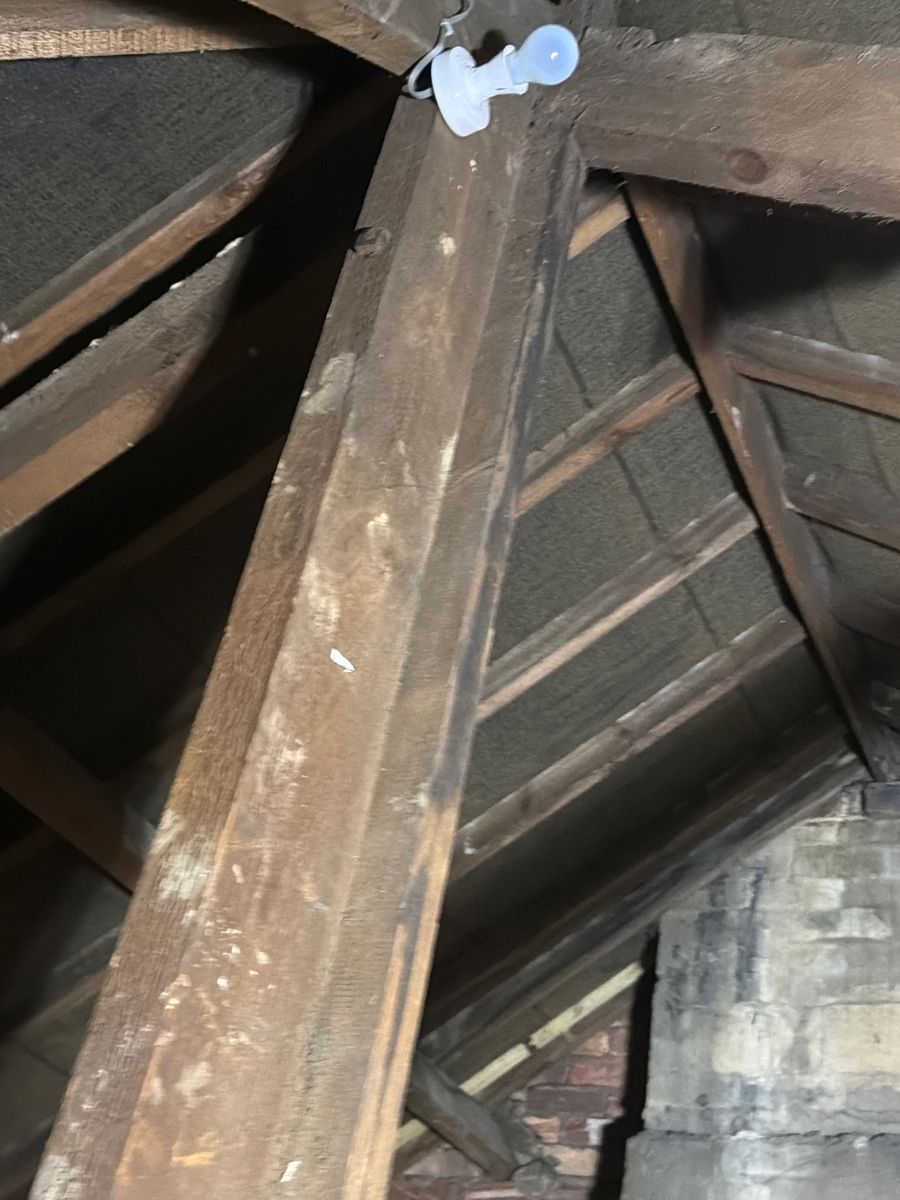
Fungi and insects only thrive in timber that stays damp. Identifying the organism matters, but finding the moisture source matters more — without it, any treatment is wasted money. We work to the identification guidance in BRE’s Recognising wood rot and insect damage in buildings (BR 453).
The most common decay, confined to timber that stays wet — joist ends in damp walls, sills, door frames, skirtings, timber under leaking baths. Dry the timber, cut out and replace what’s lost, and it stops.
Rarer but more serious. It can spread through masonry from a wet source to reach dry timber, often in unventilated voids under floors and behind panelling. Its extent has to be traced carefully before anything is opened up or replaced.
Old flight holes from common furniture beetle are found in many lofts and floors and are often long dead. We look for signs of current activity — fresh holes and bore dust — and for death-watch beetle in old hardwoods, before anyone treats anything.
We take timber moisture readings and probe for soundness where it is safe and permitted. Where decay is likely to be concealed, the report says what needs opening up, and where.
Free “damp surveys” are often carried out by companies that sell injections, membranes and treatments. We don’t sell any remedial work — no damp-proofing, no timber treatment, no underpinning. You pay for the inspection and an honest answer, and that’s all.
Dave Lovatt BSc (Hons) MRICS MCIOB MCABE C.Build E MIConstM MISSE MQSI FACQP MRPSA — twenty years in building pathology, defects and remediation across the North East’s housing stock, from colliery terraces to listed stone houses.
A focused investigation of the problem you’re worried about, with a written report you can act on, show a contractor, or pass to your insurer or solicitor.
Send the address, a few photos and how long it has been happening. We’ll ask a few questions and give you a fixed fee before we visit.
Age and construction of the house, past alterations, trees and drainage, local ground conditions and the coal-mining record where relevant.
Inside and out, including the roof void and sub-floor where accessible. Crack measurement, moisture and humidity readings, thermal imaging and a drone look at the roof where it helps.
We test each possible cause against the evidence and say which one fits, how confident we are, and what further checks would settle any doubt.
Photographs, readings, the cause in plain English, the proper remedy, what to do first and what can wait. Chartered QS repair cost estimates available on request.
Talk the report through with Dave, including any contractor quotes you get, so you only pay for work that’s actually needed.
Your survey or a valuer has flagged cracking, damp or timber decay and you need to know what it really means — and what it will cost — before you exchange.
You’ve been quoted for damp-proofing, treatment or structural work and want an independent second opinion first.
A buyer’s survey has raised a concern and the sale is at risk. An independent, chartered report on the specific issue can keep things moving.
Defect diagnosis is priced on the problem, the size and age of the house and the access needed. Send us the address and some photos and we’ll give you a fixed fee. If you’re buying, it can be combined with a RICS Level 3 Building Survey of the whole house on the same visit.
Written report with photographs and readings. Chartered QS repair costs available. Usually quoted within 4 hours.
or call 07863 749917
Usually not. Most cracks in UK houses are cosmetic, caused by drying shrinkage, thermal movement or old settlement that has long since stopped. What matters is the pattern, the width, whether it tapers, whether it runs through the wall and whether it is still moving. BRE Digest 251 grades damage from category 0 (negligible) to 5 (very severe), and that, with the pattern and any monitoring, tells you whether there is a structural problem.
For diagnosing why a house is cracking, a chartered surveyor who is also a Chartered Building Engineer is often the right first call. If the diagnosis shows that structural calculations, a design or an insurance subsidence claim are needed, we will say so plainly in the report so you know exactly what to ask for next.
No. Electrical moisture meters are calibrated for timber. On plaster and masonry they read salts, foil-backed paper and surface condensation as well as water, so high readings on a wall are a reason to investigate, not a diagnosis. BRE Digest 245 and BS 6576 set out a proper process, which can include taking drilled samples for laboratory or carbide testing.
No. Lovatt Home Surveys does not sell damp-proof courses, chemical treatments, membranes, underpinning or any other remedial work. Our fee is for the inspection and the report, so the diagnosis is independent of whatever the cure turns out to be.
Usually it is condensation. Mould on the upper parts of outside walls, in corners, behind furniture and around windows normally points to moisture in the air meeting cold surfaces. The fix is ventilation, heating and insulation, not a damp-proof course. We check the walls, the ventilation and the readings to confirm which it is.
No. Old flight holes from common furniture beetle are very common in lofts and floors and are often historic. Signs of current activity include fresh, sharp-edged holes and bore dust. Insects and fungi need damp timber, so finding and removing the source of the moisture is usually the first and most important step.
A RICS Level 3 Building Survey records and explains the defects that can be seen, including cracking, damp and timber problems, and gives advice on repairs. Where a specific defect needs a closer look, or you already own the house, a dedicated defect diagnosis inspection goes further on that one issue and gives a reasoned cause and remedy. See our Level 3 Building Survey.
Page reviewed November 2026. This page is general information; every building is different and our advice is given in a written report after inspection.
Diagnosis of cracking, damp and timber decay across Northumberland, Tyne & Wear and County Durham.